
Siding Installation & Replacement
Siding is the face your home shows the world. New siding can reinvigorate an old home, dramatically enhancing its curb appeal. Siding replacement can let you change the look and color of your house and help improve its energy efficiency. All American Exterior Solutions® has decades of experience installing a wide variety of siding alternatives.
Choosing the Right Type of Siding
The first step to a successful siding project is determining the best material and installation for your needs (not to mention choosing the best siding contractor for the job – that’s us!). Read below about the most common types of siding materials for residential structures.

Siding financing options and payment estimator
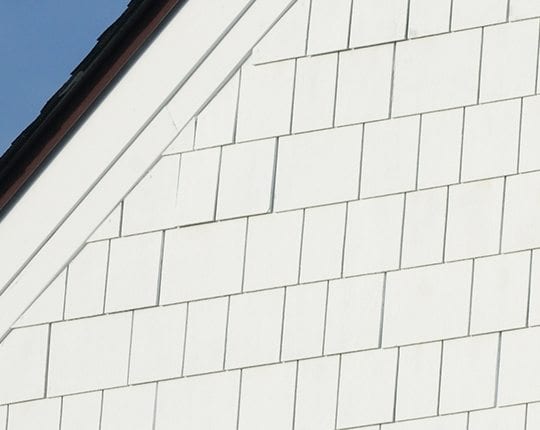
Engineered Wood Siding
LP SmartSide siding utilizes engineered wood strand technology that makes it one of the most durable house siding solutions on the market. LP’s proprietary SmartGuard manufacturing process provides protection against water damage, termites, and fungal decay. LP SmartSide siding is prefinished and covered by a 50 year substrate and 15 year finish limited warranty.
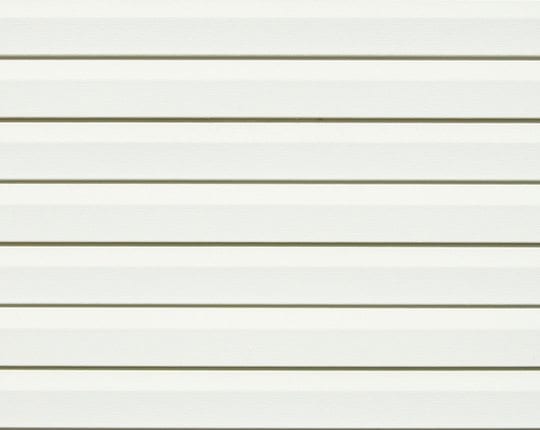
Fiber Cement Siding
James Hardie fiber cement siding products combine the look and character of natural cedar siding with unsurpassed durability and low maintenance. Exclusive ColorPlus technology provides a 15-year finish and 30-year product warranty against rotting, cracking, and delaminating. James Hardie siding also resists hail, mold, and mildew.
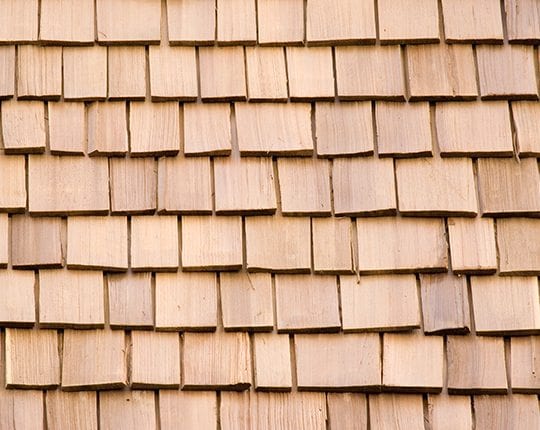
Vinyl Siding
Mastic premium vinyl siding stands up to extreme weather, requires little maintenance, and is an ecofriendly choice. Available in a variety of style and color options, Mastic siding is backed by a limited lifetime warranty.
Frequently Asked Questions
Siding Performance, Air Sealing and Trim
New siding is the one moment you get to fix what is behind it. Homeowners typically see energy savings in the range of 8 to 15 percent from a siding replacement, and pairing the job with air sealing pushes it further, because on an older house most of the loss is air moving through gaps rather than through the cladding itself. Insulated vinyl adds a rigid foam backing for R-value, a flatter wall and noticeably less noise. If your home sits exposed, ask what wind rating the panel carries.
Ask about the parts nobody puts in the brochure: the house wrap, and the flashing at windows, doors and roof-to-wall transitions, which is where water actually gets in. Ask about soffit, fascia and trim as well. They weather faster than the field siding and they are usually what makes an older exterior look tired, so replacing the panels while leaving them is a job that looks half finished from the street.
What is the best siding for my home?
The best siding depends on your home’s style, budget, maintenance preferences, and long-term goals. Vinyl siding is a popular choice because it’s affordable, durable, and low maintenance. Fiber cement siding offers exceptional durability and weather resistance, while engineered wood provides the natural look of wood with improved performance. At All American Exterior Solutions, we help homeowners compare siding options and recommend the best solution based on their home’s needs and budget.
How much does siding replacement cost?
The cost of siding replacement varies depending on the size of your home, the type of siding you choose, labor requirements, and whether any repairs are needed to the home’s exterior before installation. Because every project is different, the best way to determine cost is with a professional inspection and estimate. We provide complimentary estimates with clear pricing so you know exactly what to expect.
When does siding need to be replaced?
Most siding lasts between 20 and 50 years, depending on the material and how well it has been maintained. Signs that it may be time for replacement include cracking, warping, fading, moisture damage, mold growth, loose panels, or increasing energy bills caused by poor insulation. If you’re unsure whether your siding needs repair or replacement, our team can perform a thorough inspection and provide an honest recommendation.
Can damaged siding be repaired instead of replaced?
In many cases, small sections of damaged siding can be repaired if the rest of the exterior is still in good condition. However, widespread damage, water intrusion, aging materials, or repeated repairs may make a full siding replacement the better long-term investment. A professional inspection can determine which option will provide the best value and protection for your home.
How long does new siding last?
The lifespan of siding depends on the material you choose. Vinyl siding typically lasts 20 to 40 years, fiber cement can last 50 years or more, and engineered wood products often last 30 years or longer with proper maintenance. Professional installation and routine maintenance help maximize the life of your siding and protect your home from the elements.
Why is new siding a good investment?
Replacing your siding does more than improve curb appeal. New siding helps protect your home from moisture, wind, and harsh weather while improving energy efficiency and reducing maintenance. It can also increase your home’s value and give you peace of mind knowing your exterior is built to last.